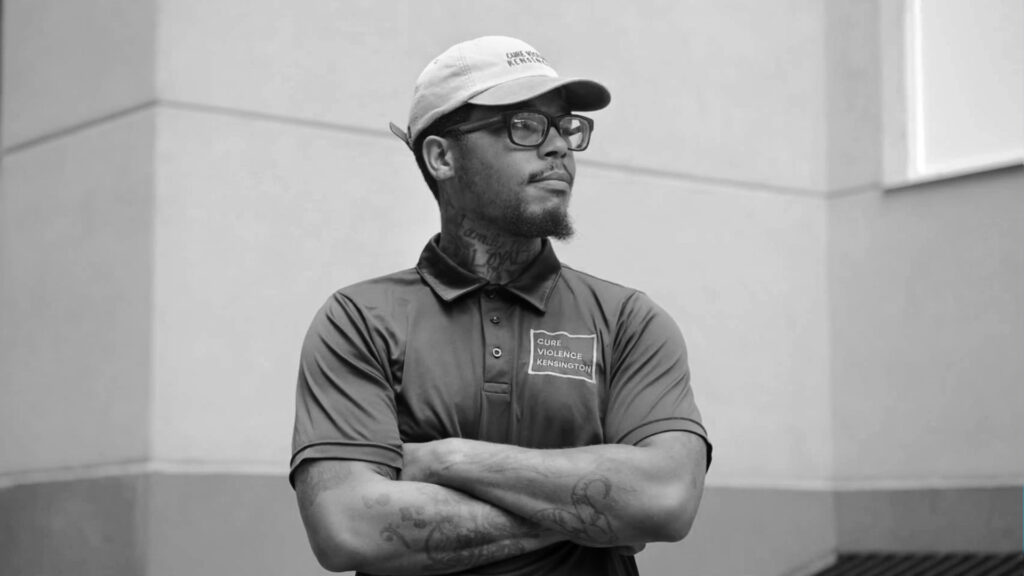
Bobby had a chaotic home life, little guidance and was involved with guns and gangs– ‘In the life’. When the mother of his child and Bobby broke up, and she took a new boyfriend, tension mounted and came to a head one night.
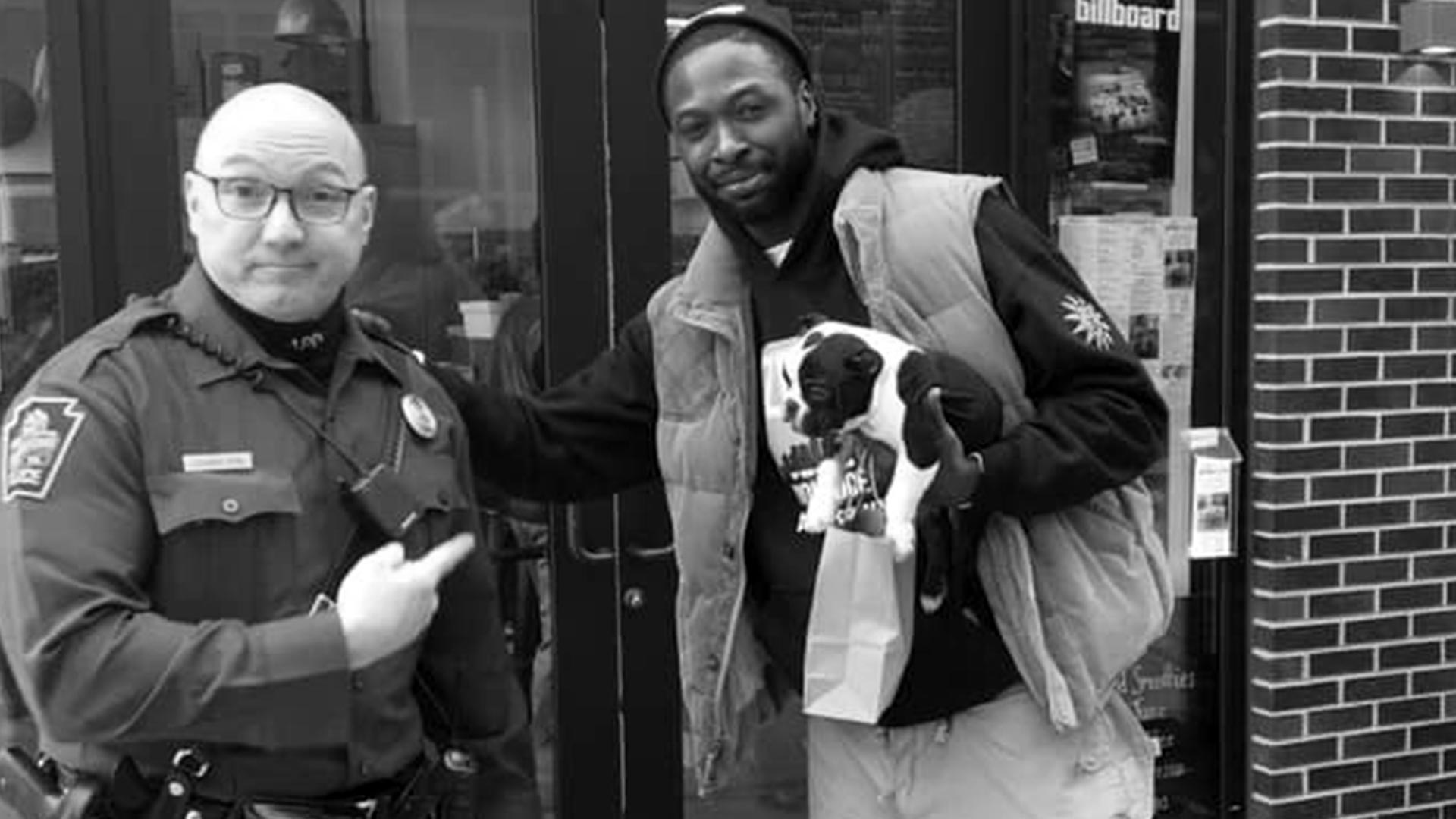
But Bobby had been on-and-off mentored by Mike at Promise Neighborhoods of the Lehigh Valley and facing a choice, called Mike instead of doing something rash. “I don;t care if I go to jail” is the phrase Mike remembers putting him on high alert.
Mike said it would be hard to see his child from prison; Mike shared his own experience behind bars, and listened with love and no judgment. Bobby moved out of state and is working now.
Lived experience of jail, of shooting, or being shot gives CVI workers credibility most adults will never have.
Shorthand for Community Violence Intervention, this approach uses relationships inside a neighborhood to interrupt the cycle of shooting and retaliation.
How do you know a shooting is coming?
That’s the question most people ask. The answer is simpler than it sounds. Gun homicides are concentrated among people and places. Just 1% of a City is responsible for 90% of gun homicides. And before a shooting happens, others often know there is conflict and danger.
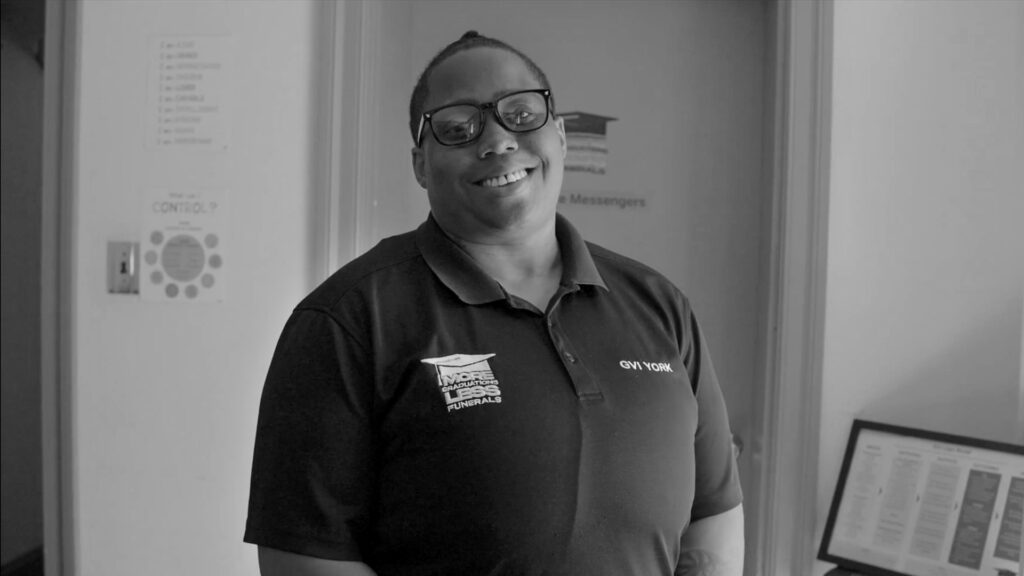
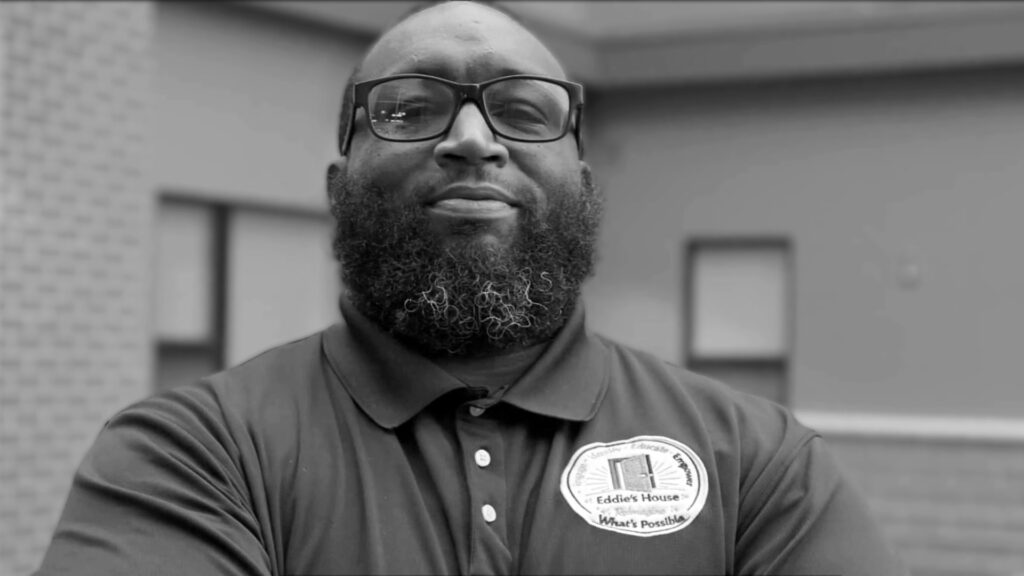
The workers who do this job live in these communities. They know who is having conflict (‘a beef’). When an argument escalates, or someone gets shot, they hear about it fast. Or they are already working with that 1% of a community that is most likely to be involved in violence.
The programs have three key parts:
Focus on the people at highest risk: A small number of people are most likely to shoot someone or be shot. The work starts with them.
Prevent Conflict: Interrupters mediate current conflict, get ahead of the next one and work with people on conflict resolution and healing so the next argument doesn’t end the same way.
Change the conditions underneath: Connect people to housing, jobs, treatment and services, because the pressures that push someone toward a gun don’t resolve on their own.
The work takes different forms including:
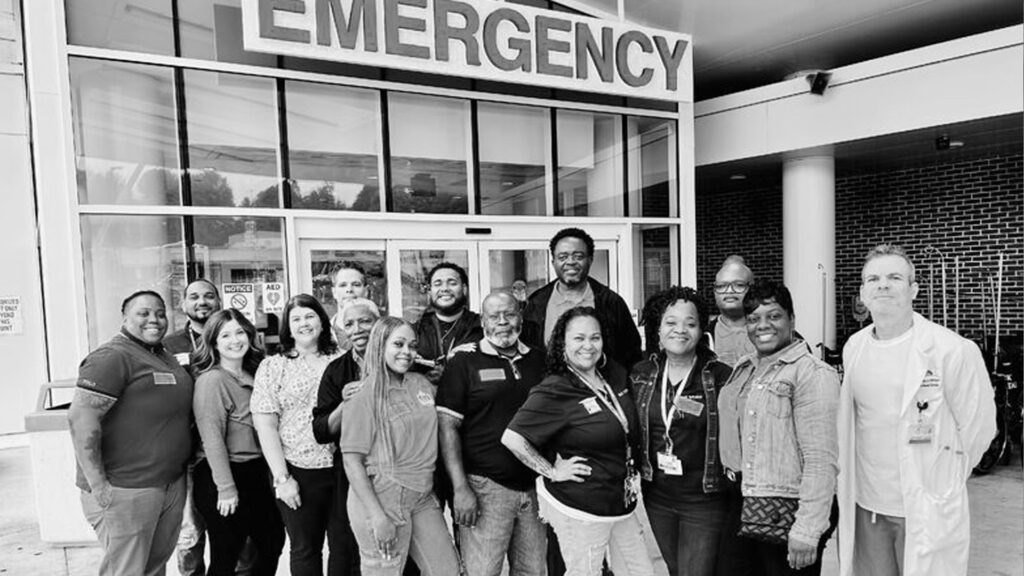
Hospital base outreach to those injured in shootings, to prevent retaliation.
Street Outreach by trusted messengers in high-risk areas to intervene before a shooting
Reentry programs to provide alternatives to formerly incarcerated individuals
Mediation to prevent community conflicts from escalating to violence
Targeted workforce development that improves job prospects combined with conflict resolution skills
The people who do this work have the training and the lived experience to build trust quickly, in places and situations where trust is hard to come by.